If you have a topic or question you would like to discuss, please feel free to reach out. I would be delighted to hear from you: salam@abasnur.com

Yasmin – The Name That Carries Beauty

There’s something about Yasmin that stops you mid conversation. When you hear it spoken – especially the way a Somali mother calls her daughter or how a husband whispers it at home – you understand this isn’t just a name. It’s a feeling. It’s history wrapped in three syllables.
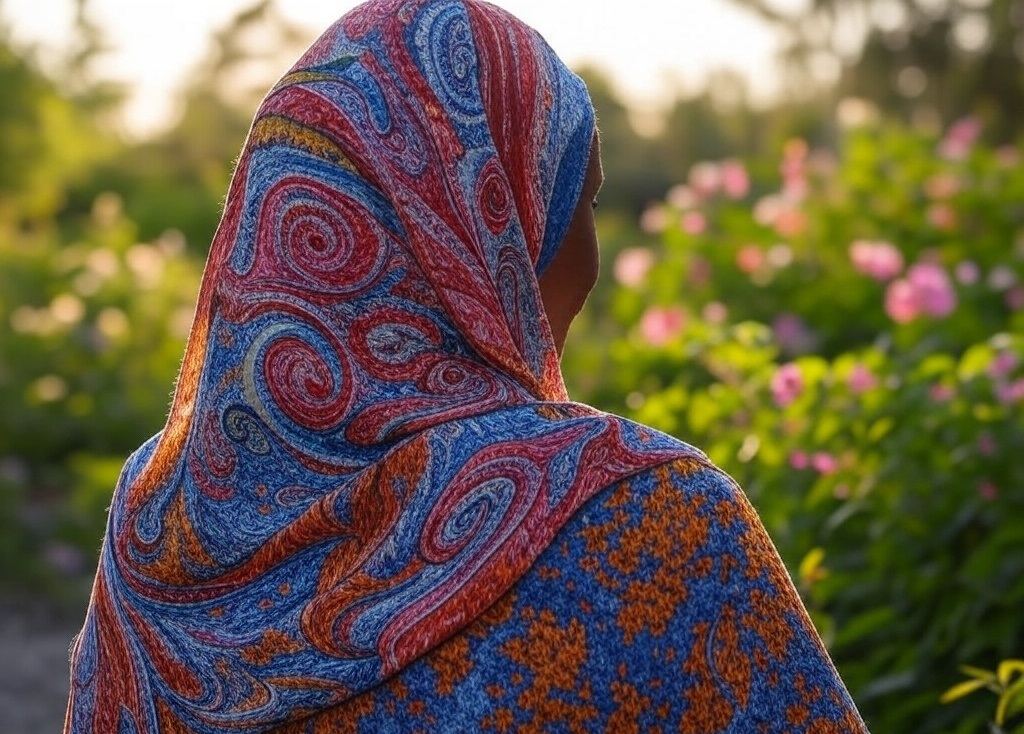
Yasmin comes from the Arabic word for jasmine, that delicate flower that blooms at night and fills the air with intoxicating sweetness. But it’s more than just a flower. In Islamic culture, jasmine represents grace, elegance and purity. It’s a flower that doesn’t shout for attention – it simply exists and the world stops to notice.
When Somali parents choose Yasmin for their daughter, they’re invoking centuries of meaning. They’re saying: I want my daughter to be graceful under pressure. I want her presence to mean something. I want her to carry herself with quiet dignity.
And if you listen to how Somali poets and songwriters speak about the name, you’ll fall in love with it all over again. In Somali poetry, Yasmin isn’t just mentioned – it’s celebrated. The way we describe a woman named Yasmin, the way they compare her to the jasmine flower in verse, in song, in the oral tradition that defines Somali culture – it’s breathtaking and mar la’arag:

Yaasmiinee aduunyadan
Inta aan dul joogiyo
Nolashayda idilkeed
Ka sakoow ILAAHAY
Adigaa ku aaminay
Ayaamaha kalgacalkee
Dadku ay afeesteen
Intaan ubaxa caashaqa aan aayar soo guro
yaan aktaada iyo Aqal kaaga dhigayaa
That’s what the name does to my people. It turns into poetry. Into devotion. Into love songs.
I learned about this from my grandmother, whose second name was Yasmin. Whenever we talked about the name, she’d immediately say: “Magacayga ka garo qofka aan ahay” – meaning: my name tells you who I am. She wasn’t someone who couldn’t do things. She could do everything. She could achieve everything. Because her name was Yasmin.
She used to say it with such pride: “Dumarka wax baan dheerahay. Naag iyo bar baan ahay sababta oo ah Yasmiin baan u ahay.”. And she believed this not in spite of her name, but because of it.
She’s the reason Yasmin is one of my top three favourite names. Listening to her speak about what it meant to be a Yasmin, watching her live it – that changed everything for me.
In Somali homes, there’s a particular tenderness in how a husband says his wife’s name when she’s Yasmin. It’s never just functional. In quiet moments, when he calls her from another room – there’s reverence in it. Yasmin is soft enough to whisper, meaningful enough that whispering it feels like an act of LOVE.
But what makes Yasmin stand out is that it carries history, poetry, spirituality and cultural weight all at once. Other names sound pretty. Yasmin means something – wax baa ku dhex jira magacaan!
A young Yasmin is bright and fragrant. A mature Yasmin is elegant and wise. An elderly Yasmin becomes legendary. It’s a name that ages beautifully because it’s rooted in something timeless.
Imagine having a wife whose name is Yasmin. Janno-janno lagu daray sooma ahan!
That would be everything. When you hear the name Yasmin, you’re hearing a story. You’re hearing a jasmine flower blooming. You’re hearing centuries of meaning in three syllables. That’s why Yasmin isn’t just a name. It’s a legacy.