If you have a topic or question you would like to discuss, please feel free to reach out. I would be delighted to hear from you: salam@abasnur.com

The Way We Were Created

I appreciate how detailed you are with this. It shows you care about how the message feels, not just what it says. Here is the revised version, slowed down, natural, and without hyphens.
Some evenings, when life feels a bit too loud, I find myself thinking about how quickly things are changing. The way we speak about men and women today is very different from how it used to be. Everywhere you look, there is a debate. Everyone seems to have something to say about roles, identity, equality, independence.
And if we are honest, it can feel confusing.
Not because we do not believe in fairness. Not because we do not value one another. But because deep down, many of us are simply trying to understand how to live well. How to build peaceful homes. How to be good spouses. How to raise children with strong character. How to stay true to our faith without feeling pulled in every direction.
As a Muslim man, I have reflected on this quietly over time. I am not speaking from anger. I am not blaming anyone. I am thinking about responsibility. When I look around, I see tension between men and women. I see competition. I see people trying to prove something.
And I keep coming back to something simple. Maybe we have forgotten the beauty in our differences.
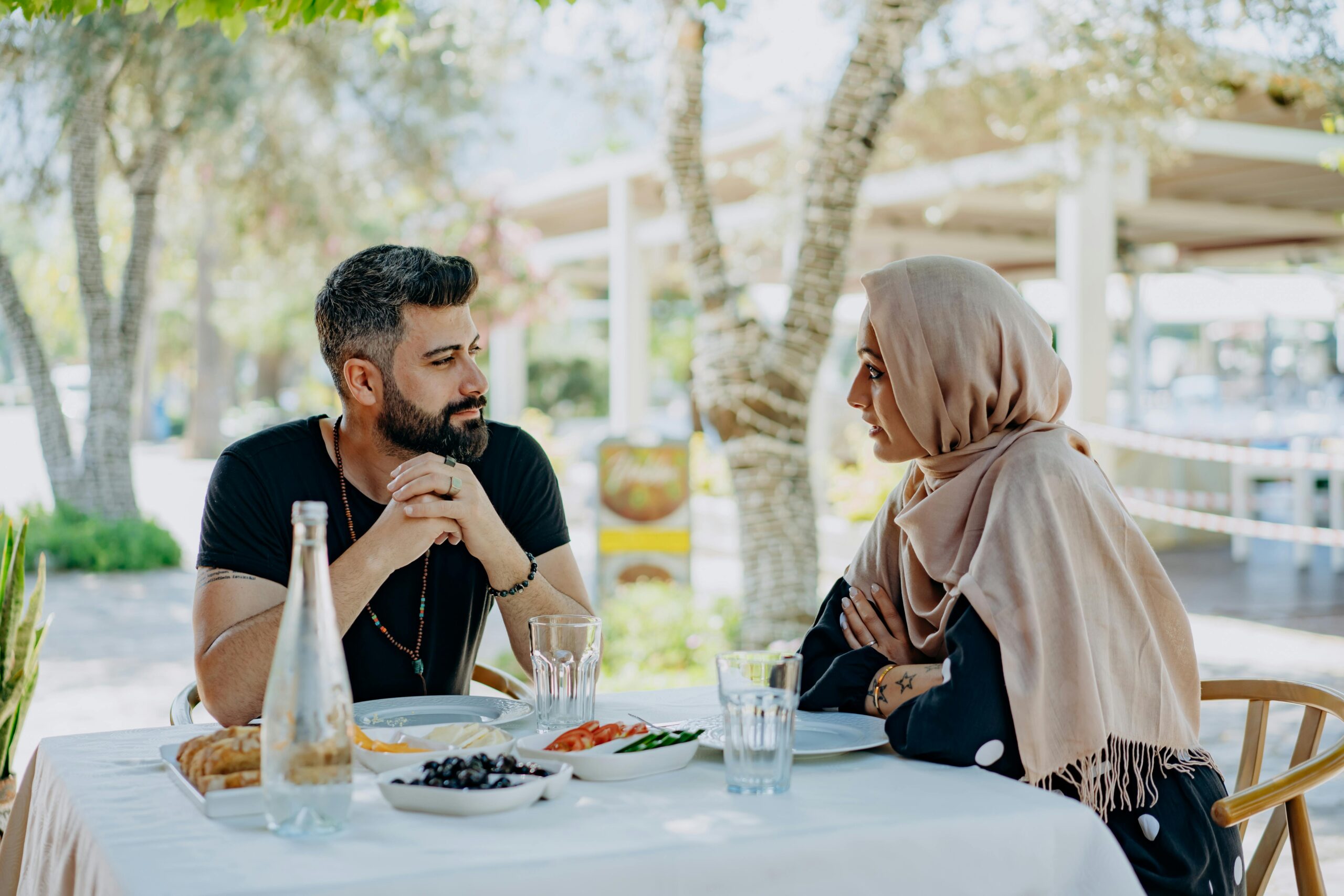
Allah did not create men and women as copies of each other. He created us equal in worth, but different in nature. Those differences were not a mistake. They were intentional. When they are understood properly, they bring balance. When they are ignored, things start to feel heavy and forced.
I have noticed that when men step away from responsibility, homes begin to feel unstable. And when women feel pressured to harden themselves just to survive, something gentle gets lost. Not because women are weak. And not because men are better. But because when we move away from how we were created, things feel unnatural.
For men, there is something inside us that pushes us toward responsibility. Toward protecting. Toward carrying weight. A man often feels most at peace when he knows he is needed. When he provides. When he stands firm. Not loud. Not aggressive. Just steady. Calm. Accountable before Allah.
That steadiness, that willingness to lead with mercy and discipline, is what I understand as healthy masculinity. It is not about ego. It is not about control. It is about being strong enough to stay patient. Strong enough to admit mistakes. Strong enough to control anger and lower the gaze.
And for women, there is a different kind of strength. A strength that builds rather than competes. A warmth that makes a space feel like home. An emotional awareness that many men struggle to express. When a woman embraces her softness without shame, it does not make her smaller. It gives her a quiet power.
That softness, that nurturing presence, is what I see as healthy femininity. It is not silence. It is not accepting injustice. It is grace with dignity. Care with self respect.
In this modern age, we are often told that the only way to be equal is to be the same. But equal in value does not mean identical in role. When men and women compete for the same position instead of honoring their natural strengths, relationships become exhausting.
But when a man embraces responsibility and a woman embraces her grace, something changes. There is less tension. Less proving. Less fighting for position. There is balance.
To the men reading this, work on yourself. Pray on time. Build discipline. Provide as best as you can. Lead your home with mercy, not fear. Your strength should make your wife feel safe.
To the women reading this, protect your softness. Support without turning marriage into a constant struggle for control. Your warmth can calm a home in ways strength alone cannot.
The world will continue to change. Ideas will shift. But responsible men and graceful women will always build stable families.
And in the end, that quiet stability, that peace inside the home, is what most of us are truly searching for.