If you have a topic or question you would like to discuss, please feel free to reach out. I would be delighted to hear from you: salam@abasnur.com
Muna: A Name That Shines Brightest in Somali Elegance

Have you ever heard a name that instantly paints a picture of grace and beauty in your mind? For me, that name is Muna — a lyrical gem that resonates with hope, love, and cultural richness. In this blog, we’ll journey through the captivating story of Muna, exploring its deep meaning, its cherished place in Somali and Arab cultures, and why it feels perfectly crafted for Somali women. Expect insights into its poetic charm, family traditions, and romantic allure — plus a personal take on why calling someone Muna every hour could be the sweetest gesture of admiration.
What Does Muna Mean? A Whisper of Hope and Dreams
The name Muna carries a melody of aspiration. Rooted in the Arabic word manā, meaning “hope,” “wish,” or “desire,” it blossoms further in Somali as Munaad, translating to “hope fulfilled” or “wish come true.” It’s a name that doesn’t just label — it blesses, embodying optimism and the joy of dreams realised.
In Islamic tradition, names hold spiritual weight, and Muna is no exception. It’s a quiet prayer for a life filled with faith and purpose, its gentle two syllables wrapping the bearer in warmth and possibility. Imagine naming a child Muna — every call becomes a reminder of hope – subxaanallah.
Muna Across Cultures: A Somali Crown of Grace
Muna shines brightly in both Arab and Somali cultures, yet its glow feels uniquely tailored to Somali women.
- In Arab Culture: Arabs treasure Muna for its simplicity and elegance, a name that reflects faith and longing. From bustling Dubai to historic Tunis, it graces daughters and piles its way into poetry as a symbol of beauty. Yet, its use often remains formal, a lovely but restrained nod to hope.
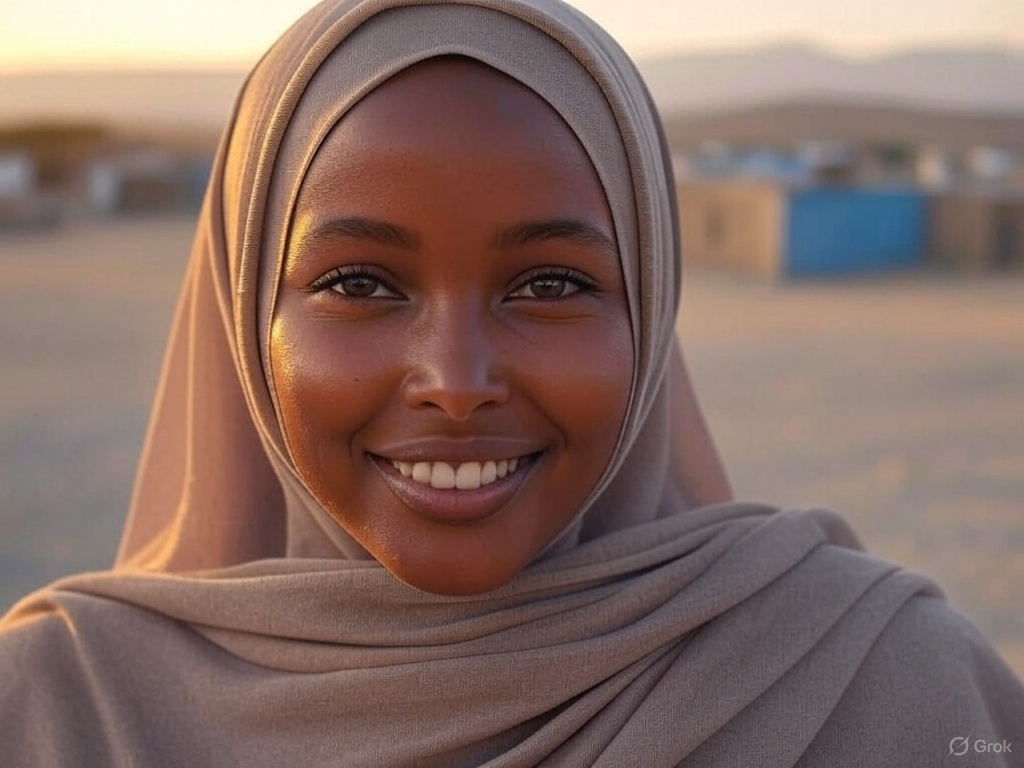
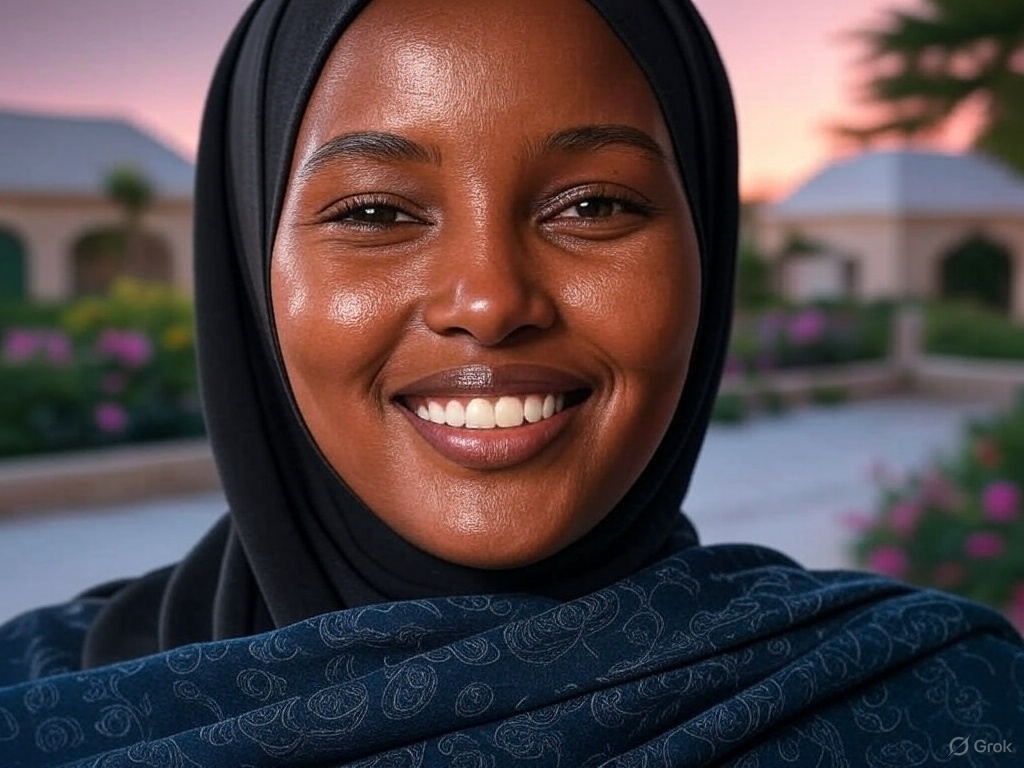
- In Somali Culture: For Somalis, Muna is a cultural masterpiece. Its soft sound turns with the lyrical Somali language, making it a beloved choice. In poetry — known as gabay — Muna becomes a muse, representing beauty and fulfilled dreams. Picture a Somali woman: a radiant caramel skin and a dignified air — Muna feels like it was made for her, enhancing her elegance in a way that’s distinctly Somali.
Personally, I’d argue Muna fits Somali women exquisitely, though its charm isn’t lost on Arabs either.
Why Somalis Cherish Muna So Deeply
In Somali society, names are threads in the tapestry of identity and faith, and Muna is a golden strand. Here’s why it’s so revered:
- A Symbol of Gratitude: Meaning “hope fulfilled,” it aligns with Somali values of thankfulness and aspiration.
- Poetic Power: It’s a staple in love songs and gabay, evoking tender emotions and beauty.
- Gentle Strength: Its soft tone carries dignity, perfect for honouring women with respect.
- A Rare Gem: Muna stands for someone irreplaceable (Somalis say “mar la arag!”) — a dream brought to life.
When a Somali man calls his wife Muna, it’s more than a name — it’s a declaration: “you are my answered prayer.” That’s the kind of depth this name holds in Somalis.
Muna in Family Life: A Melody of Love
Somali parents weave Muna into daily life with affection that’s almost musical. A mother might say, “Muna, gabadhayda” (my daughter) or “Muna, quruxleey” (beautiful one), her voice brimming with pride. Fathers opt for “Muna, xiddigtaydii” (my star), a tender nod to their daughter’s light.
In casual moments, it’s shortened to “Mun” or softened with “Munaay,” like a hug in word form. During Eid, you might hear, “Munanaay, ii soo kaalay!” (Muna, come here!), blending warmth with a parent’s gentle authority. It’s a name that feels alive in Somali homes.
I once met a Somali family at a wedding where the youngest, Muna, darted about with a grin that lit up the room. Every time her mum called her, you could hear the love stitched into those two syllables.
Naming a Daughter Muna: A Timeless Gift
Choosing Muna for a daughter is like handing her a piece of hope to carry through life. Its lyrical flow suits every age — a giggling toddler, a confident teen, a poised woman. For parents, it’s a promise of joy, a name that says, “You are our dream fulfilled.”
Spoken aloud, Muna feels like a caress, its sound as comforting as it is uplifting. It’s versatile too — rooted in Somali heritage yet at home anywhere in the world. What parent wouldn’t want that for their child?
Muna Through the Generations
Muna’s beauty deepens as it passes through family roles, each adding a layer of grace.
- As a Sister: Called “Muna, walaashay” (my sister), she’s a source of hope and camaraderie.
- As a Mother: “Hooyo Muna” (Mother Muna) nurtures with love, her name a pillar of strength.
- As a Grandmother: “Ayeeyo Muna” (Grandmother Muna) is wisdom incarnate, her name whispered with reverence.
Across these stages, Muna mirrors the elegance of Somali women — timeless and radiant.
The Romantic Allure of Muna in Marriage
In Somali culture, where poetry flows like water, Muna becomes a love song. Husbands use it with care, saying “Muna, jacaylkayga” (my love) or “Muna, quruxdeyda” (my beauty). It’s a name that inspires lines like:
Muna, xiddigta samada, iftiinkaaga ayaa i hogaamiya
(“Muna, star of the sky, your light guides me.”)
Years ago, I heard a groom recite a gabay for his bride, Muna, under a canopy of stars. The way her name rolled off his tongue turned a simple moment into poetry. That’s the magic of Muna in love.
Calling Muna Every Hour: A Small Act of Wonder
Imagine showing your affection by calling someone Muna every hour — that someone could be YOUR WIFE. It’s a name that conjures an elegant Somali woman: caramel skin glowing, smile radiant, spirit kind. Each “Muna” becomes a heartbeat of admiration, a reminder they’re your wish come true.
Sure, every second would be impractical (and probably exhausting!), but hourly? That’s a rhythm of love anyone could manage. Try it — watch their face light up each time – AND DON’T TELL THEM THAT I TOLD YOU TO DO SO,😉.
Why Muna Captivates Me
Muna is more than a name — it’s a celebration of hope, love, and heritage. It resonates across cultures, but in Somali hands, it becomes something extraordinary, a perfect fit for their women’s grace. Parents cherish it, generations carry it, and lovers weave it into romance. For me, it’s a favourite — a name I’d be proud to give my daughter or if my wife does not have it already, a testament to its enduring charm.